


How Seasons Shape Japanese Language and Expression
In Japan, the changing seasons influence far more than clothing and food. They shape how people speak, write, and express emotion. For students learning Japanese, understanding seasonal language offers a deeper look into how communication works beyond grammar and vocabulary.
Seasons as a shared cultural reference
Japan places strong emphasis on its four seasons, and this awareness is woven into everyday communication. Referencing the season helps create shared context and shows cultural sensitivity. Talking about cherry blossoms in spring or the heat of summer isn’t small talk—it’s a way of connecting.
This mindset appears naturally in Japanese language, where seasonal references feel expected rather than optional.
Seasonal vocabulary in daily life
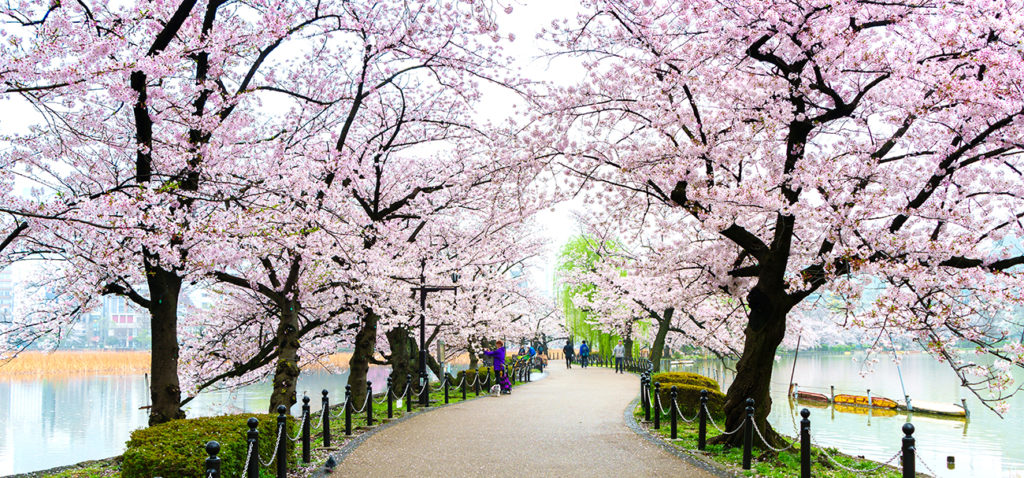
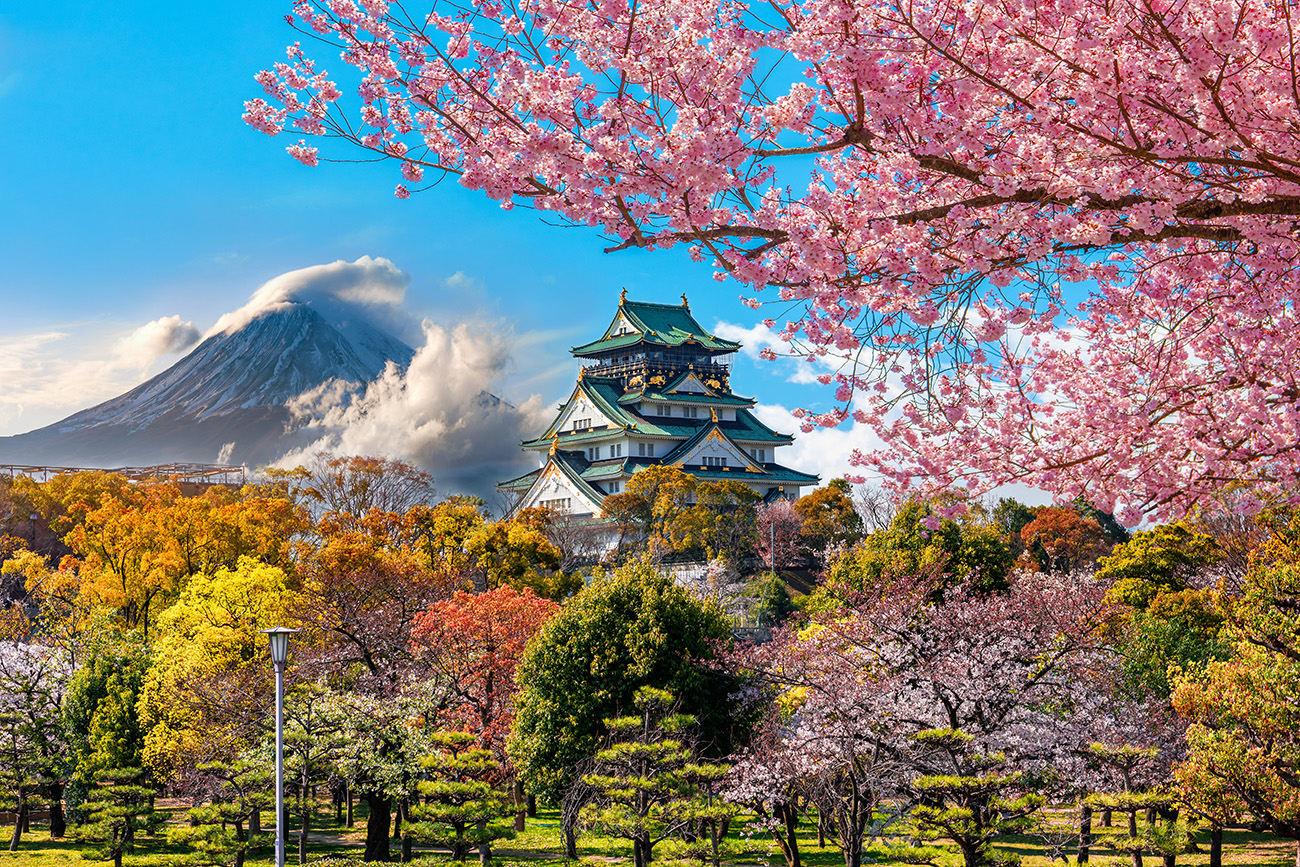
Many common Japanese words are tied directly to seasonal experiences. In spring, 桜 (sakura) represents not only cherry blossoms but also new beginnings, as the school and business year starts in April. Words like 新生活 (shin-seikatsu), meaning “new life,” are commonly used during this time.
Summer language often reflects heat and endurance. Expressions like 暑いですね (atsui desu ne) aren’t just observations—they’re social openers. Summer also brings words tied to festivals (祭り matsuri) and fireworks (花火 hanabi).
Autumn is associated with reflection and appreciation. Terms like 紅葉 (kōyō), meaning autumn leaves, are used frequently, along with expressions connected to food and comfort, such as 食欲の秋 (“autumn of appetite”).
Winter language often emphasizes warmth and perseverance. Words like 寒いですね (samui desu ne) or references to hot foods and drinks become common, reinforcing shared seasonal experience.
 Seasonal language in writing
Seasonal awareness is especially important in writing. Traditional letters and formal emails often begin with 時候の挨拶 (jikō no aisatsu)—seasonal greetings that reference the time of year. These phrases help set a polite, respectful tone before the main message.
Seasonal words also play a central role in haiku, which rely on 季語 (kigo)—specific seasonal terms—to convey emotion and imagery in very few words.
Why this matters for learners
For Japanese language learners, seasonal expressions provide more than vocabulary. They teach timing, tone, and cultural awareness. Using seasonal language appropriately helps learners sound more natural and socially aware.
Ultimately, understanding how seasons shape Japanese expression reveals an important truth: in Japan, language reflects how people experience the world. Paying attention to the seasons helps learners understand not just what to say—but why it’s said.