


The Secret to Remembering Kanji: Learn Their Stories
For many Japanese learners, kanji can feel like an endless maze of complex strokes. With more than 2,000 commonly used characters in daily life, memorizing them all can seem impossible. But the secret to remembering kanji isn’t rote memorization — it’s learning their stories.
Each kanji has a history, a meaning, and a structure that often tells a story. When you understand where a character came from or build your own creative connection to it, it stops being a random symbol and becomes something vivid and memorable.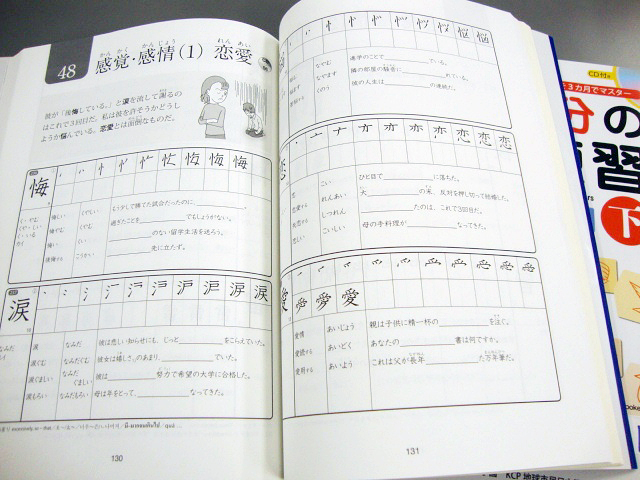 Why Kanji Are Challenging
Kanji were originally adopted from Chinese characters. Some began as pictographs (simple pictures representing objects), while others were ideographs (symbols for ideas). However, the majority of kanji in use today are phonetic–semantic compounds — characters that combine a hint of pronunciation with a clue to meaning.
This complexity can make kanji seem abstract, but each one still carries traces of its original logic. Learning to see those patterns — or creating your own — makes studying kanji much easier.
Finding the Story Behind the Symbols
Think of kanji as ancient visual metaphors. Many include elements that suggest their meaning, making them perfect for storytelling.
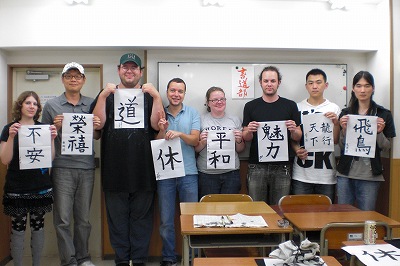
For example, 休 (rest) combines 人 (person) and 木 (tree) — imagine someone leaning against a tree to take a break. That mental picture makes it hard to forget.
Or consider 明 (bright), which joins 日 (sun) and 月 (moon). Together they symbolize light — from both day and night. Even if this isn’t the literal historical origin, the image is powerful and easy to recall.
Create Your Own Kanji Stories
While etymology gives useful clues, your personal associations are even more effective for memory. The funnier or more imaginative your story, the better it sticks.
For instance, the kanji 森 (forest) is three 木 (tree) characters grouped together. Picture yourself surrounded by trees, walking through a thick forest — and suddenly, the meaning clicks.
Apps like WaniKani or Kanji Study, or simply keeping a handwritten notebook, can help you connect visuals and meanings creatively.
Practice in Everyday Life
Once you know a kanji’s story, look for it around you — on signs, menus, or packaging. Each time you spot it, recall the story. Repetition plus imagination creates lasting memory.
Kanji doesn’t have to be intimidating. They’re living pieces of art and history, shaped by centuries of culture. When you learn their stories — whether ancient or your own — you’ll find that remembering kanji becomes not just easier, but truly enjoyable.